watch the Latest Podcast Episodes
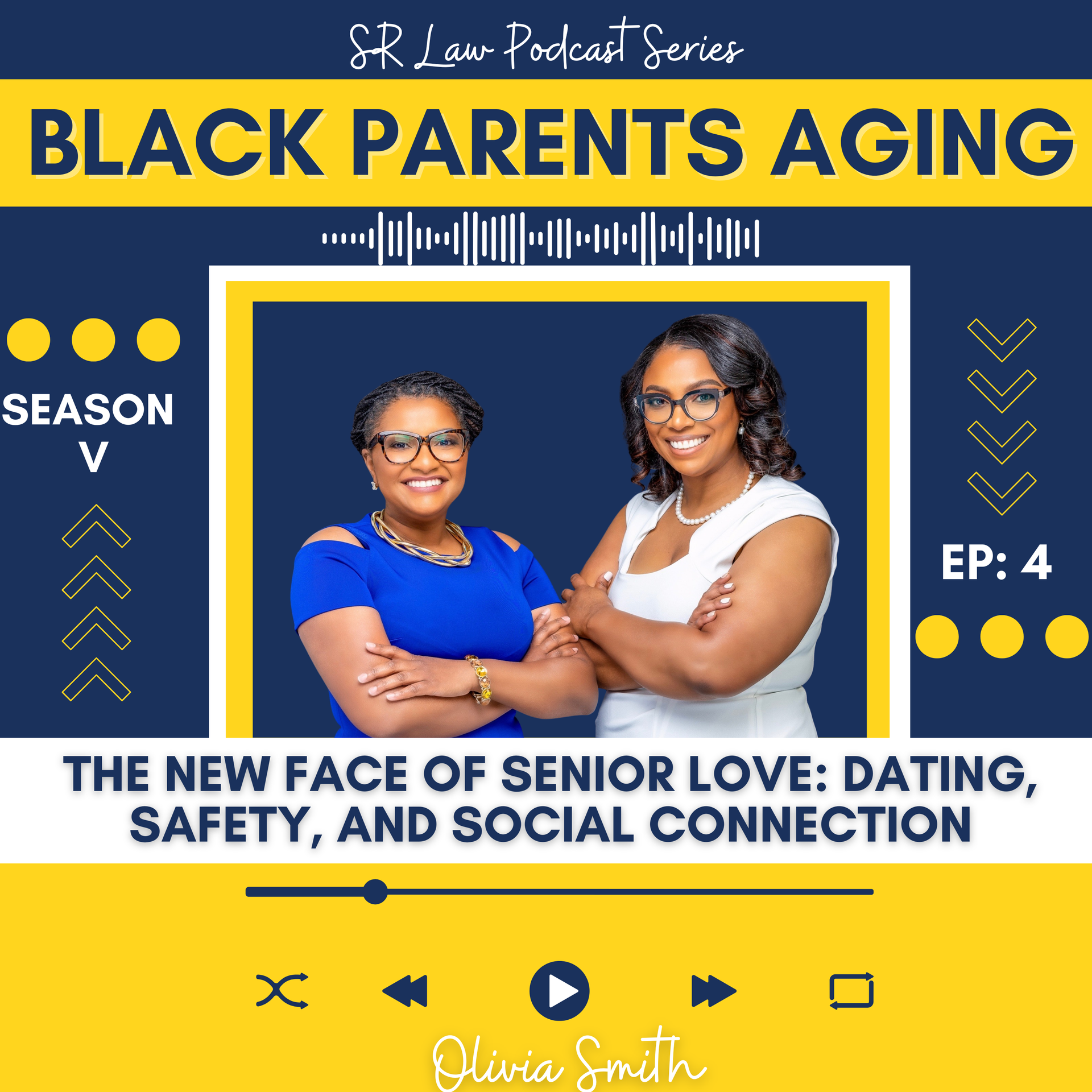
In this episode of Black Parents Aging, Olivia Smith explores the importance of love, companionship, and meaningful connection for seniors over 70. Drawing from real conversations with clients and current research on aging, she discusses how social isolation can impact emotional well-being, cognitive health, and overall quality of life. Olivia examines what modern romance looks like later in life, including the growing use of dating apps among older adults and the unique emotional and cultural dynamics many Black seniors face when pursuing companionship. She also provides practical guidance for families on how to support aging parents who are dating, while balancing concerns about safety and vulnerability. The episode highlights the real risks of romance scams targeting older adults and offers important tips to help seniors and their loved ones recognize warning signs and protect themselves. Ultimately, the conversation encourages listeners to approach aging with empathy and intention — recognizing that the desire for connection, love, and joy does not disappear with age. Listeners are invited to reflect on how families can create space for aging loved ones to live fully, pursue meaningful relationships, and maintain both independence and dignity. Key Topics: The health benefits of companionship for seniors Popular dating apps for seniors and how they work Safety tips to avoid romance scams Family dynamics and supporting aging parents in dating The emotional and social importance of love after 70
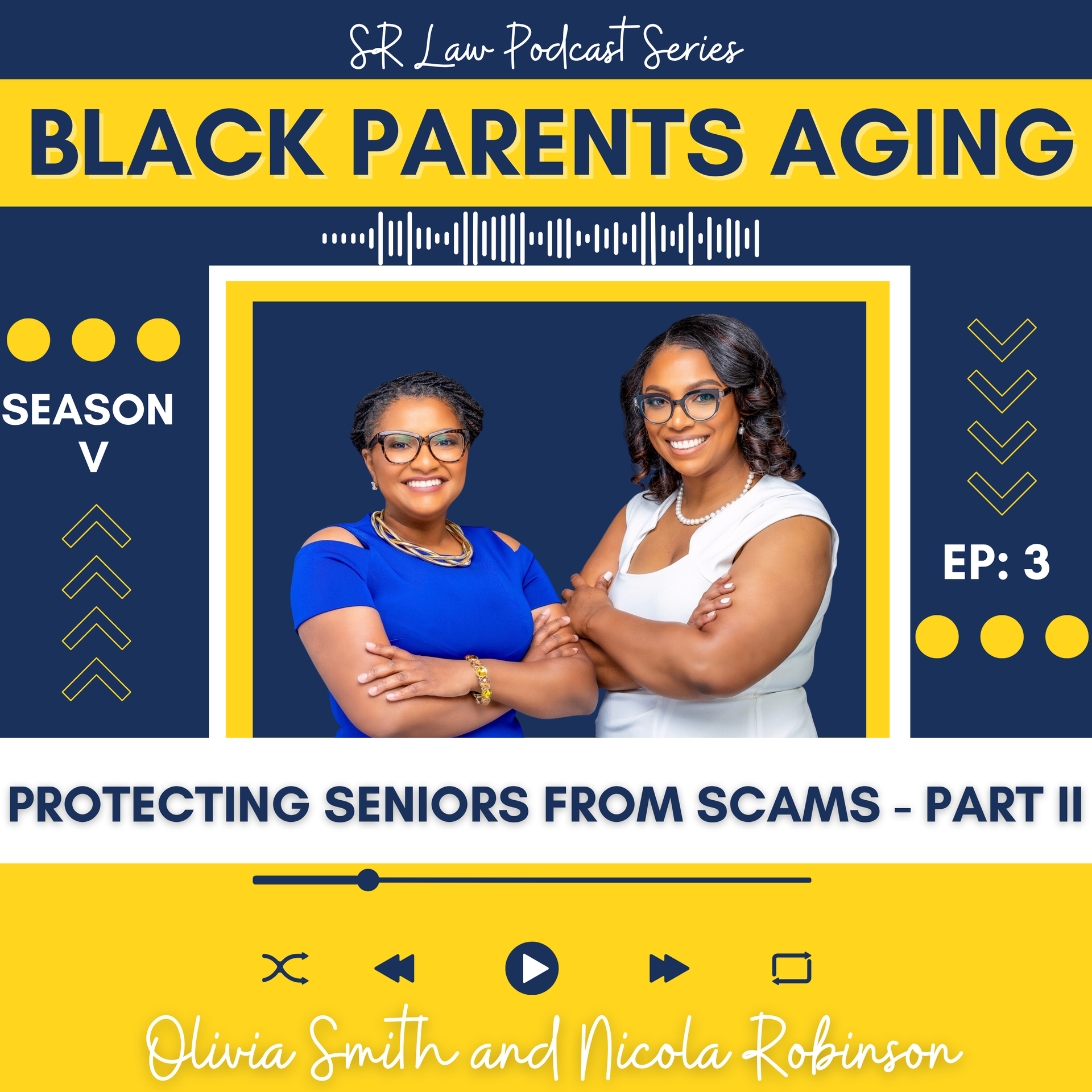
In this episode of Black Parents Aging , Olivia Smith and Nicola Robinson continue their conversation on elder fraud by focusing on investment scams, cryptocurrency fraud, and sweepstakes scams that disproportionately target older adults. They discuss how scammers pose as investment professionals promising to double or triple retirement savings, why cryptocurrency scams are especially dangerous because the money is nearly impossible to recover, and how classic sweepstakes scams still trap many seniors today. The conversation also shifts to practical steps families can take to protect aging parents and grandparents , including having open conversations about scams, freezing credit, blocking suspicious calls, monitoring financial accounts, and using tools like powers of attorney to help oversee finances. The episode closes with warning signs families should look for and resources available to report elder fraud and scams. Key Takeaways Cryptocurrency and investment scams caused over $1.6 billion in losses for victims over 60 in 2024 . Any investment promising to double or triple your money quickly is likely a scam . Cryptocurrency scams are especially dangerous because once the money is sent, it is extremely difficult to recover . Sweepstakes scams often ask victims to pay a fee or taxes upfront to claim a fake prize . Simply talking with aging parents or grandparents about scams can significantly reduce their risk of falling victim . Tools like the Do Not Call Registry, call blocking, and credit freezes can help protect against fraud. Services such as EverSafe or Carefull can monitor accounts for unusual transactions or hidden subscription charges. A Power of Attorney can allow trusted family members to monitor financial accounts and protect loved ones. Sudden financial trouble, excessive packages, or unusual spending may be red flags of a scam . Elder fraud can be reported to the FBI’s Internet Crime Complaint Center (IC3) or the National Elder Fraud Hotline .
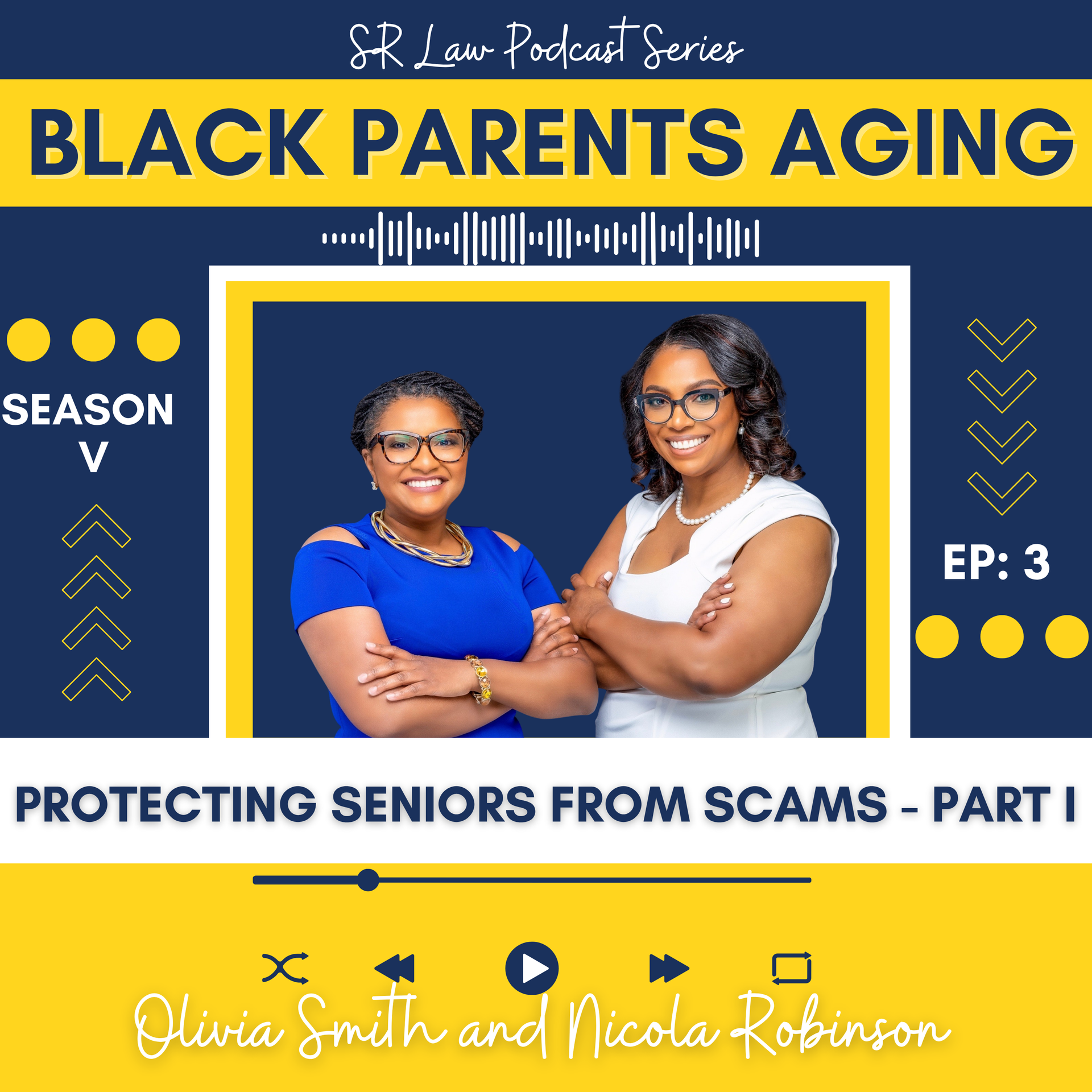
In this episode of the Black Parents Aging Podcast, Olivia Smith and Nicola Robinson dive into a growing issue impacting families across the country—elder fraud and scams. With billions of dollars lost each year, scammers are increasingly targeting older adults through sophisticated tactics that can be difficult to recognize. Olivia and Nicola break down some of the most common scams affecting seniors, including government impersonation scams involving Social Security and Medicare, IRS threats, tech support fraud, and devastating online romance scamsthat prey on loneliness and trust. They also discuss why many seniors hesitate to report scams and how embarrassment, fear, and concerns about losing independence can keep families in the dark. Throughout the conversation, they share real-life examples, warning signs, and practical tips to help families recognize red flags and protect their loved ones. This episode is a must-listen for anyone with aging parents or grandparents who want to stay informed and proactive about preventing fraud. Key Takeaways • Fraud targeting seniors is rising rapidly, with reported losses increasing from $600 million in 2020 to $2.4 billion in 2024. • Many scams go unreported because victims feel embarrassed or ashamed, meaning the real financial impact is likely much higher. • Government impersonation scams involving Social Security, Medicare, and the IRS are among the most common ways scammers target older adults. • Legitimate government agencies will never call unexpectedly to request personal information or payment over the phone. • Scammers often create a sense of urgency, pressuring victims to act quickly before they have time to verify the request. • Romance scams are one of the most emotionally and financially devastating, often targeting widowed or lonely seniors through online relationships. • Fraudsters frequently invent emergencies or sudden financial problems to convince victims to send money repeatedly. • Tech support scams exploit seniors who may be less familiar with computers, tricking them into granting remote access to their devices.
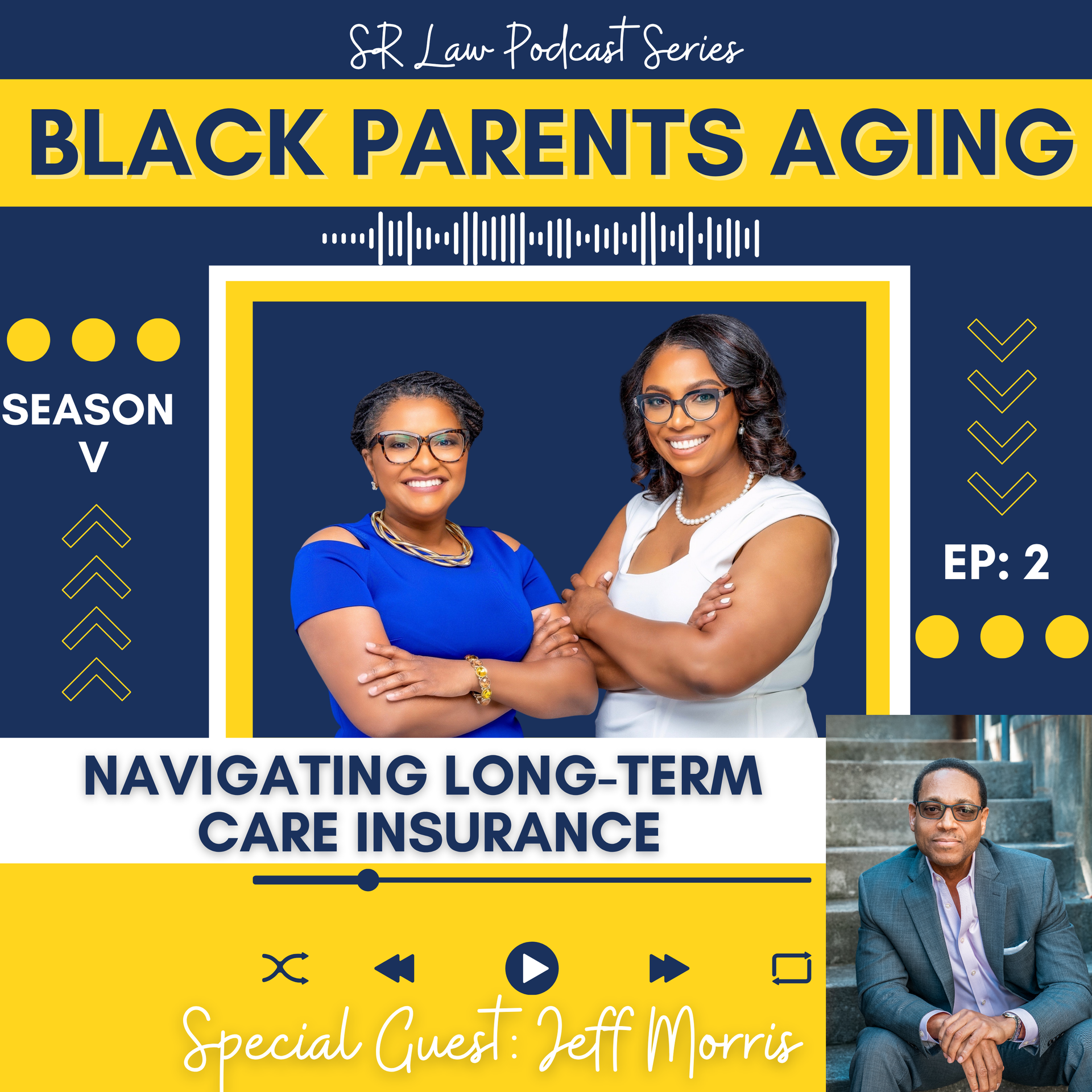
In this episode of Black Parents Aging, Olivia Smith interviews financial planner Jeff Morris, who specializes in long-term care insurance. They discuss the importance of planning for long-term care, the misconceptions surrounding it, and the different types of policies available. Jeff shares insights on when to start considering long-term care insurance, the costs involved, and the health assessments required for eligibility. The conversation emphasizes the need for proactive planning, especially for aging parents, and highlights the benefits of hybrid policies that combine life insurance with long-term care coverage. Takeaways Long-term care insurance covers activities of daily living. Many people confuse long-term care with Medicare. Planning for long-term care should start in your 50s. Costs for long-term care can be significant, averaging $65,000 to $112,000 annually. Hybrid policies offer a death benefit if not used for care. Health assessments are crucial for obtaining long-term care insurance. Many believe their children will care for them, which is a misconception. The government does not cover long-term care costs adequately. Choosing a reputable insurance company is essential. Proactive planning can prevent financial strain later in life.

In this episode, Olivia Smith discusses the often-overlooked issue of aging behind bars, highlighting the significant increase in older inmates and the unique challenges they face. She shares personal experiences related to her uncle's incarceration and compassionate release, emphasizing the emotional and health-related struggles both inmates and their families endure. The conversation also touches on the need for systemic changes in how the justice system handles aging individuals and offers practical advice for families navigating these difficult circumstances. Takeaways Growing old behind bars is an increasing reality in America. The number of inmates over 50 has significantly increased. Incarceration accelerates the aging process for inmates. Health care for aging inmates is often inadequate. Families of aging inmates face emotional and financial burdens. Compassionate release is a complex and difficult process. Support networks are crucial for families of incarcerated individuals. Legal assistance can improve chances of compassionate release. Self-care is essential for families advocating for loved ones. The issue of aging in prison is a broader societal concern.

Estate planning isn’t just for the rich and famous - it’s something we all need to think about. We’ll talk about planning for incapacity, why the right representative matters more than tradition, and how to avoid the devastating consequences of financial elder abuse. Using real-life examples like Michael Jackson, John Amos, and Wendy Williams, we highlight the dangers of inadequate planning and why waiting too long can put everything at risk. We also take a look at the inspiring stories of Quincy Jones and Bob Saget - two legends who mastered the art of meticulous planning to ensure their families were taken care of. Quincy’s $500 million estate was structured to avoid conflicts, while Bob’s strategic trust setup protected his loved ones and supported the causes he cared about. Their stories prove that estate planning is about more than just money - it’s about peace of mind and securing your legacy. As we wrap up this season, we want to thank you for being part of this journey with us. Your support means everything, and we can’t wait to bring you even more impactful conversations in season five. Let’s keep the conversation going - what topics do you want us to cover next?
In this episode of Black Parents Aging, Olivia Smith explores the importance of love, companionship, and meaningful connection for seniors over 70. Drawing from real conversations with clients and current research on aging, she discusses how social isolation can impact emotional well-being, cognitive health, and overall quality of life. Olivia examines what modern romance looks like later in life, including the growing use of dating apps among older adults and the unique emotional and cultural dynamics many Black seniors face when pursuing companionship. She also provides practical guidance for families on how to support aging parents who are dating, while balancing concerns about safety and vulnerability. The episode highlights the real risks of romance scams targeting older adults and offers important tips to help seniors and their loved ones recognize warning signs and protect themselves. Ultimately, the conversation encourages listeners to approach aging with empathy and intention — recognizing that the desire for connection, love, and joy does not disappear with age. Listeners are invited to reflect on how families can create space for aging loved ones to live fully, pursue meaningful relationships, and maintain both independence and dignity. Key Topics: The health benefits of companionship for seniors Popular dating apps for seniors and how they work Safety tips to avoid romance scams Family dynamics and supporting aging parents in dating The emotional and social importance of love after 70
In this episode of Black Parents Aging , Olivia Smith and Nicola Robinson continue their conversation on elder fraud by focusing on investment scams, cryptocurrency fraud, and sweepstakes scams that disproportionately target older adults. They discuss how scammers pose as investment professionals promising to double or triple retirement savings, why cryptocurrency scams are especially dangerous because the money is nearly impossible to recover, and how classic sweepstakes scams still trap many seniors today. The conversation also shifts to practical steps families can take to protect aging parents and grandparents , including having open conversations about scams, freezing credit, blocking suspicious calls, monitoring financial accounts, and using tools like powers of attorney to help oversee finances. The episode closes with warning signs families should look for and resources available to report elder fraud and scams. Key Takeaways Cryptocurrency and investment scams caused over $1.6 billion in losses for victims over 60 in 2024 . Any investment promising to double or triple your money quickly is likely a scam . Cryptocurrency scams are especially dangerous because once the money is sent, it is extremely difficult to recover . Sweepstakes scams often ask victims to pay a fee or taxes upfront to claim a fake prize . Simply talking with aging parents or grandparents about scams can significantly reduce their risk of falling victim . Tools like the Do Not Call Registry, call blocking, and credit freezes can help protect against fraud. Services such as EverSafe or Carefull can monitor accounts for unusual transactions or hidden subscription charges. A Power of Attorney can allow trusted family members to monitor financial accounts and protect loved ones. Sudden financial trouble, excessive packages, or unusual spending may be red flags of a scam . Elder fraud can be reported to the FBI’s Internet Crime Complaint Center (IC3) or the National Elder Fraud Hotline .
In this episode of the Black Parents Aging Podcast, Olivia Smith and Nicola Robinson dive into a growing issue impacting families across the country—elder fraud and scams. With billions of dollars lost each year, scammers are increasingly targeting older adults through sophisticated tactics that can be difficult to recognize. Olivia and Nicola break down some of the most common scams affecting seniors, including government impersonation scams involving Social Security and Medicare, IRS threats, tech support fraud, and devastating online romance scamsthat prey on loneliness and trust. They also discuss why many seniors hesitate to report scams and how embarrassment, fear, and concerns about losing independence can keep families in the dark. Throughout the conversation, they share real-life examples, warning signs, and practical tips to help families recognize red flags and protect their loved ones. This episode is a must-listen for anyone with aging parents or grandparents who want to stay informed and proactive about preventing fraud. Key Takeaways • Fraud targeting seniors is rising rapidly, with reported losses increasing from $600 million in 2020 to $2.4 billion in 2024. • Many scams go unreported because victims feel embarrassed or ashamed, meaning the real financial impact is likely much higher. • Government impersonation scams involving Social Security, Medicare, and the IRS are among the most common ways scammers target older adults. • Legitimate government agencies will never call unexpectedly to request personal information or payment over the phone. • Scammers often create a sense of urgency, pressuring victims to act quickly before they have time to verify the request. • Romance scams are one of the most emotionally and financially devastating, often targeting widowed or lonely seniors through online relationships. • Fraudsters frequently invent emergencies or sudden financial problems to convince victims to send money repeatedly. • Tech support scams exploit seniors who may be less familiar with computers, tricking them into granting remote access to their devices.
In this episode of Black Parents Aging, Olivia Smith interviews financial planner Jeff Morris, who specializes in long-term care insurance. They discuss the importance of planning for long-term care, the misconceptions surrounding it, and the different types of policies available. Jeff shares insights on when to start considering long-term care insurance, the costs involved, and the health assessments required for eligibility. The conversation emphasizes the need for proactive planning, especially for aging parents, and highlights the benefits of hybrid policies that combine life insurance with long-term care coverage. Takeaways Long-term care insurance covers activities of daily living. Many people confuse long-term care with Medicare. Planning for long-term care should start in your 50s. Costs for long-term care can be significant, averaging $65,000 to $112,000 annually. Hybrid policies offer a death benefit if not used for care. Health assessments are crucial for obtaining long-term care insurance. Many believe their children will care for them, which is a misconception. The government does not cover long-term care costs adequately. Choosing a reputable insurance company is essential. Proactive planning can prevent financial strain later in life.
In this episode, Olivia Smith discusses the often-overlooked issue of aging behind bars, highlighting the significant increase in older inmates and the unique challenges they face. She shares personal experiences related to her uncle's incarceration and compassionate release, emphasizing the emotional and health-related struggles both inmates and their families endure. The conversation also touches on the need for systemic changes in how the justice system handles aging individuals and offers practical advice for families navigating these difficult circumstances. Takeaways Growing old behind bars is an increasing reality in America. The number of inmates over 50 has significantly increased. Incarceration accelerates the aging process for inmates. Health care for aging inmates is often inadequate. Families of aging inmates face emotional and financial burdens. Compassionate release is a complex and difficult process. Support networks are crucial for families of incarcerated individuals. Legal assistance can improve chances of compassionate release. Self-care is essential for families advocating for loved ones. The issue of aging in prison is a broader societal concern.
Estate planning isn’t just for the rich and famous - it’s something we all need to think about. We’ll talk about planning for incapacity, why the right representative matters more than tradition, and how to avoid the devastating consequences of financial elder abuse. Using real-life examples like Michael Jackson, John Amos, and Wendy Williams, we highlight the dangers of inadequate planning and why waiting too long can put everything at risk. We also take a look at the inspiring stories of Quincy Jones and Bob Saget - two legends who mastered the art of meticulous planning to ensure their families were taken care of. Quincy’s $500 million estate was structured to avoid conflicts, while Bob’s strategic trust setup protected his loved ones and supported the causes he cared about. Their stories prove that estate planning is about more than just money - it’s about peace of mind and securing your legacy. As we wrap up this season, we want to thank you for being part of this journey with us. Your support means everything, and we can’t wait to bring you even more impactful conversations in season five. Let’s keep the conversation going - what topics do you want us to cover next?
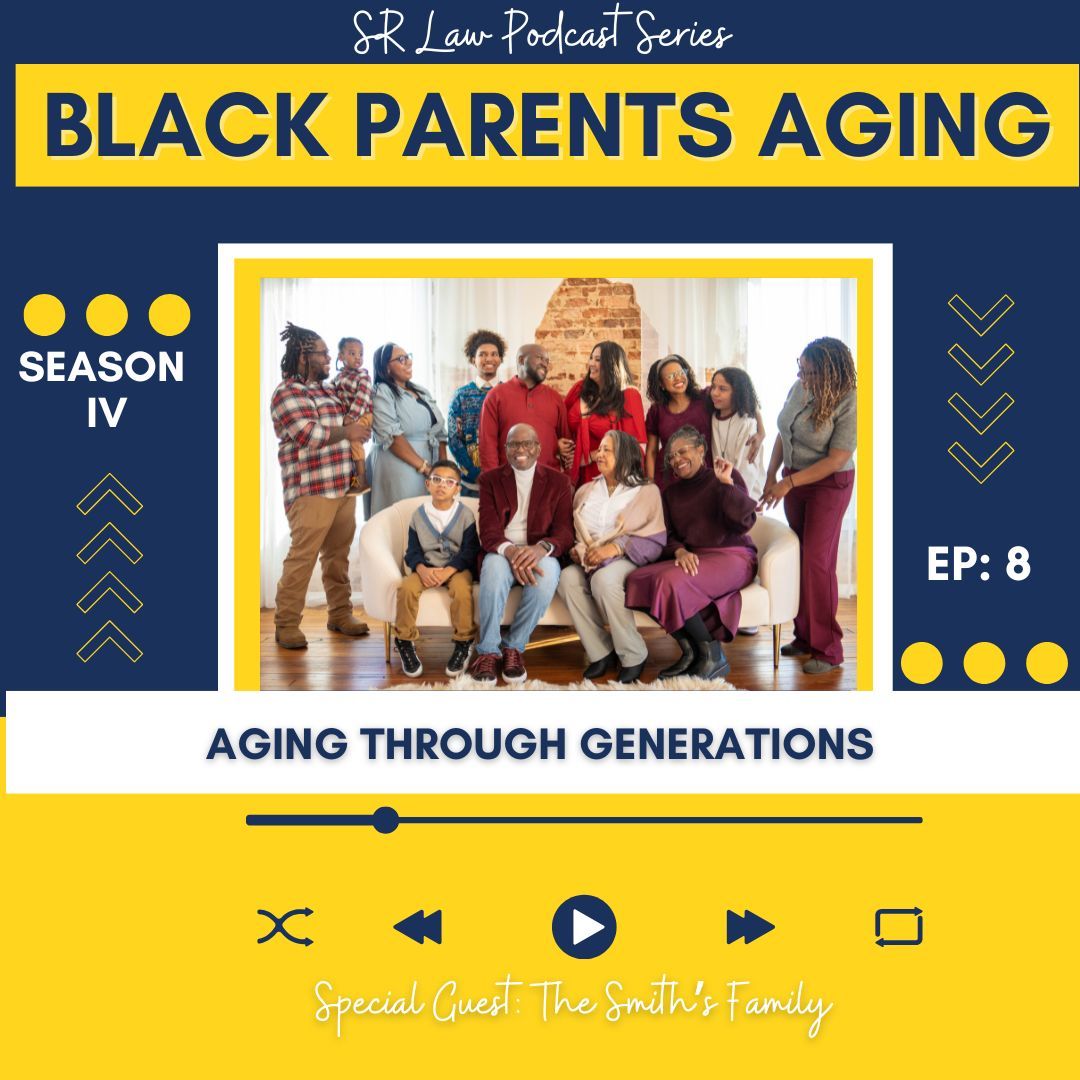
In this episode, Olivia Smith sits down with her family - spanning three generations - to share real and honest conversations about aging. Together with her parents, Janice and Charles, who are thriving in their 70s, and her siblings Shalon, Brian, and Veronica, they explore what it means to age with grace, purpose, and connection. From Janice’s passion for teaching and herbology to Charles’s peaceful yet active retirement, this discussion highlights the joys, challenges, and lessons that come with growing older. They talk about the impact of health, societal pressures, and the wisdom gained through life’s ups and downs. The family also opens up about the emotional side of aging—facing loss, shifting family roles, and having honest conversations about the end of life. This episode will leave you reflecting on your own journey and inspire you to approach aging with empathy, grace, and love. Tune in to hear more about: - The importance of embracing aging with passion and purpose. - How health and wisdom shape our personal and professional lives. - Insights on navigating emotional complexities like loss and shifting family dynamics. - The significance of open conversations about end-of-life wishes. - Practical tips for aging better and cherishing life’s simple pleasure
In this episode, Olivia Smith sits down with her family - spanning three generations - to share real and honest conversations about aging. Together with her parents, Janice and Charles, who are thriving in their 70s, and her siblings Shalon, Brian, and Veronica, they explore what it means to age with grace, purpose, and connection. From Janice’s passion for teaching and herbology to Charles’s peaceful yet active retirement, this discussion highlights the joys, challenges, and lessons that come with growing older. They talk about the impact of health, societal pressures, and the wisdom gained through life’s ups and downs. The family also opens up about the emotional side of aging—facing loss, shifting family roles, and having honest conversations about the end of life. This episode will leave you reflecting on your own journey and inspire you to approach aging with empathy, grace, and love. Tune in to hear more about: - The importance of embracing aging with passion and purpose. - How health and wisdom shape our personal and professional lives. - Insights on navigating emotional complexities like loss and shifting family dynamics. - The significance of open conversations about end-of-life wishes. - Practical tips for aging better and cherishing life’s simple pleasure
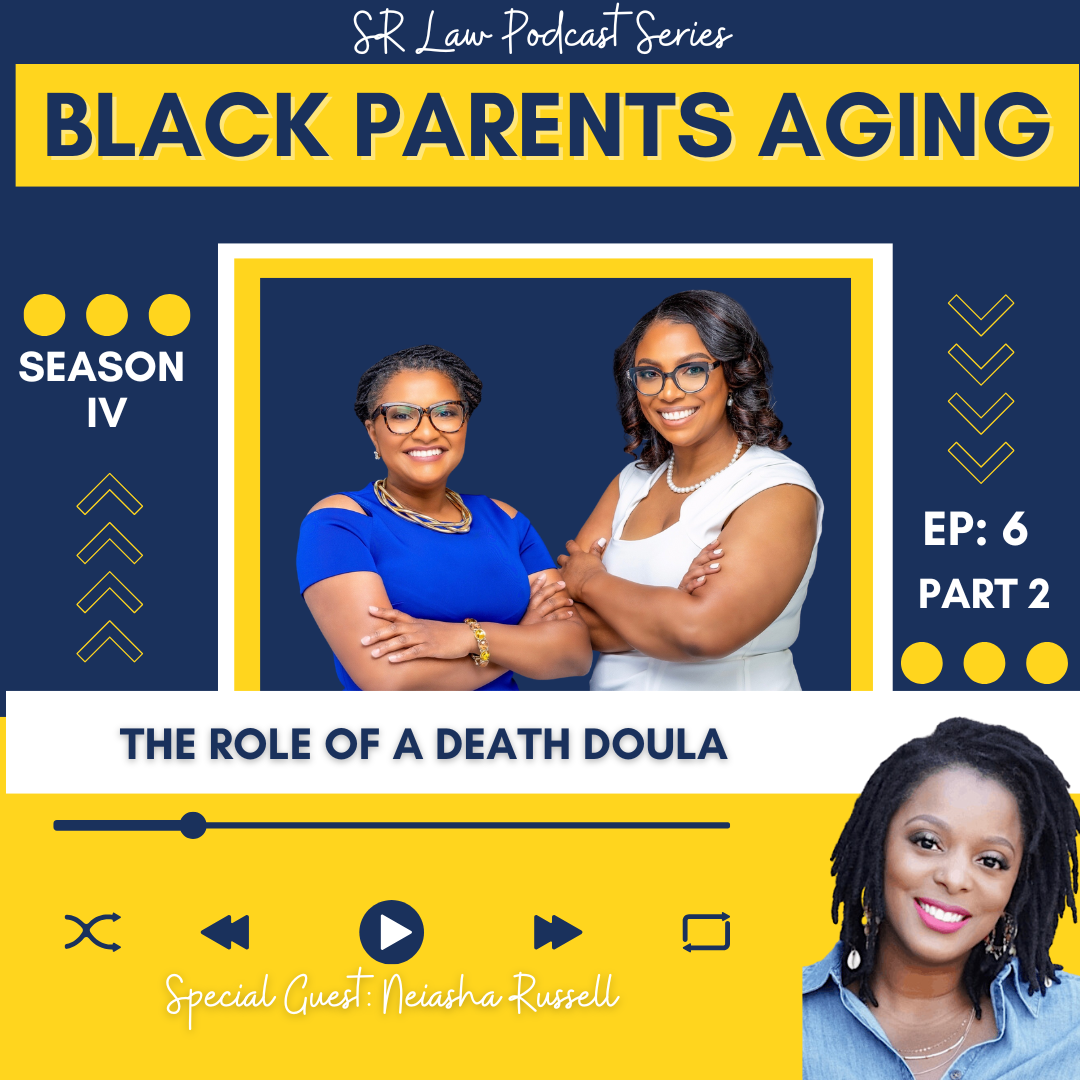
In this week’s episode, Olivia dives into an eye-opening conversation with special guest Neiasha Russell, a compassionate and experienced death doula. If you’ve ever wondered what a death doula does, or if you’ve struggled to have conversations about end-of-life planning with your loved ones, this episode is for you. Neiasha shares her heartfelt journey, how her mother’s passing inspired her to help others, and practical insights for navigating grief and legacy planning. We know these conversations can feel overwhelming, but by the end of this episode, you’ll feel equipped to take the first steps toward approaching these topics with love, dignity, and confidence. What You’ll Learn in This Episode: What a death doula is and how they support families and individuals. Neiasha’s personal story of losing her mother and how it shaped her career. The misconceptions and fears around death, especially in the Black community. How Neiasha’s work intersects with estate planning and legacy building. Practical ways to start conversations about mortality and grief with loved ones. Resources Mentioned: Harriet’s Daughters: Learn more about Neiasha’s nonprofit organization supporting girls who’ve lost their mothers to cancer. International End-of-Life Doula Association (INELDA) : Find training and resources on becoming a death doula (https://inelda.org) SR Law Group : Visit for more information on estate planning and related legal services. (https://srlawgrp.com) Connect with Us: Visit our website for additional show notes and resources: www.srlawgrp.com . Support the Show: If you found this episode helpful, please share it with someone who could benefit from the discussion. Don’t forget to subscribe and leave a review!
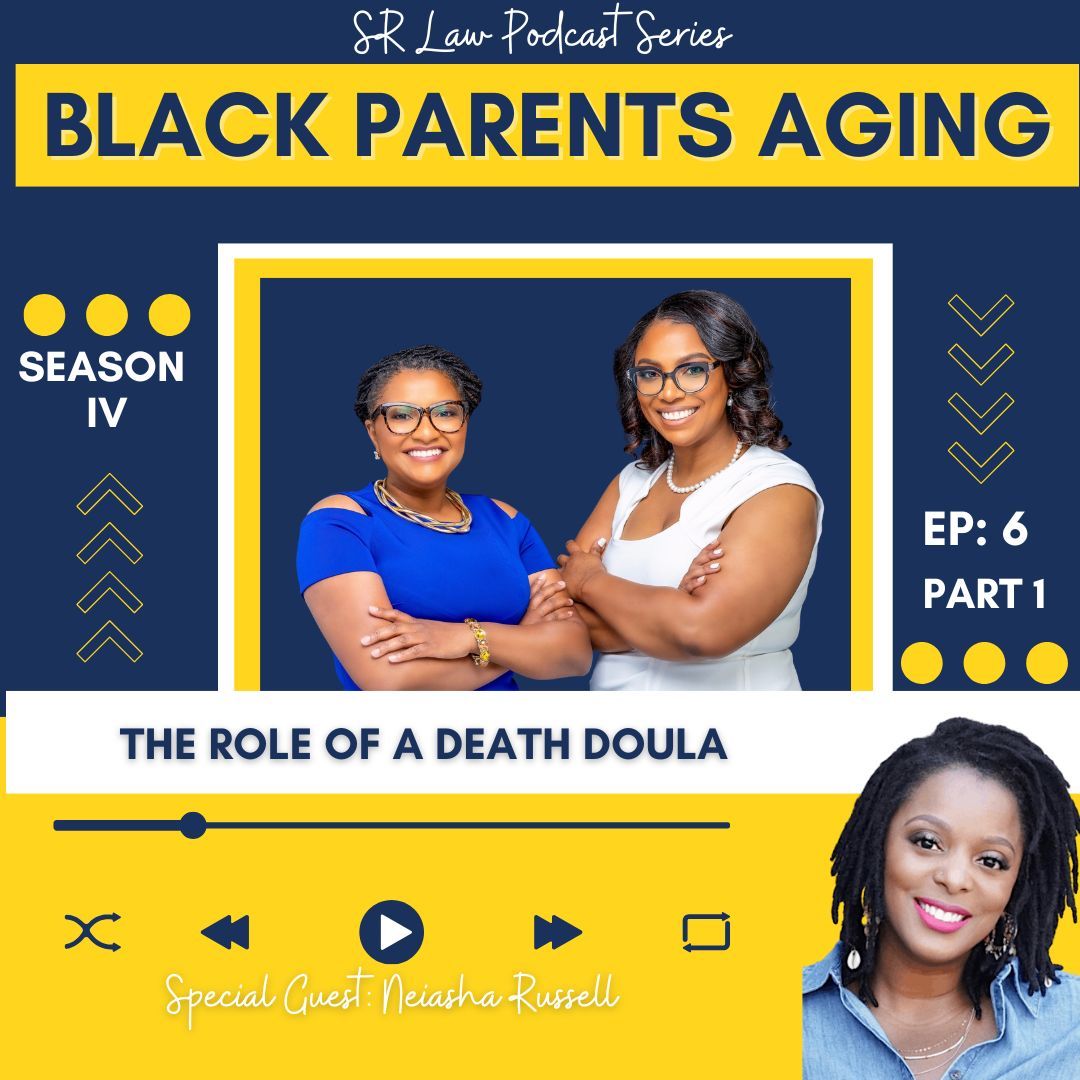
In this week’s episode, Olivia dives into an eye-opening conversation with special guest Neiasha Russell, a compassionate and experienced death doula. If you’ve ever wondered what a death doula does, or if you’ve struggled to have conversations about end-of-life planning with your loved ones, this episode is for you. Neiasha shares her heartfelt journey, how her mother’s passing inspired her to help others, and practical insights for navigating grief and legacy planning. We know these conversations can feel overwhelming, but by the end of this episode, you’ll feel equipped to take the first steps toward approaching these topics with love, dignity, and confidence. What You’ll Learn in This Episode: What a death doula is and how they support families and individuals. Neiasha’s personal story of losing her mother and how it shaped her career. The misconceptions and fears around death, especially in the Black community. How Neiasha’s work intersects with estate planning and legacy building. Practical ways to start conversations about mortality and grief with loved ones. Resources Mentioned: Harriet’s Daughters: Learn more about Neiasha’s nonprofit organization supporting girls who’ve lost their mothers to cancer. International End-of-Life Doula Association (INELDA) : Find training and resources on becoming a death doula (https://inelda.org) SR Law Group : Visit for more information on estate planning and related legal services. (https://srlawgrp.com) Connect with Us: Visit our website for additional show notes and resources: www.srlawgrp.com . Support the Show: If you found this episode helpful, please share it with someone who could benefit from the discussion. Don’t forget to subscribe and leave a review!